Beyond Insulin: The Global Quest for a Biological Diabetes Cure
The relentless global battle against diabetes affects millions, demanding daily management and constant vigilance. For decades, treatments have focused on managing symptoms, particularly blood sugar levels, often through insulin injections, medication, and lifestyle adjustments. However, the ultimate aspiration for patients, researchers, and healthcare professionals alike remains a true biological *cura diabetes* – a permanent solution that restores the body's natural ability to regulate glucose. Recent groundbreaking developments, especially a noteworthy announcement from Shanghai, China, have ignited a renewed sense of hope, pushing the boundaries of what was once considered impossible. This article delves into these exciting advancements and the broader international pursuit of a biological cure, exploring the promise, the challenges, and the potential for a transformative future.
The Promise of Pancreatic Cell Therapy: A Glimmer of Hope from Shanghai
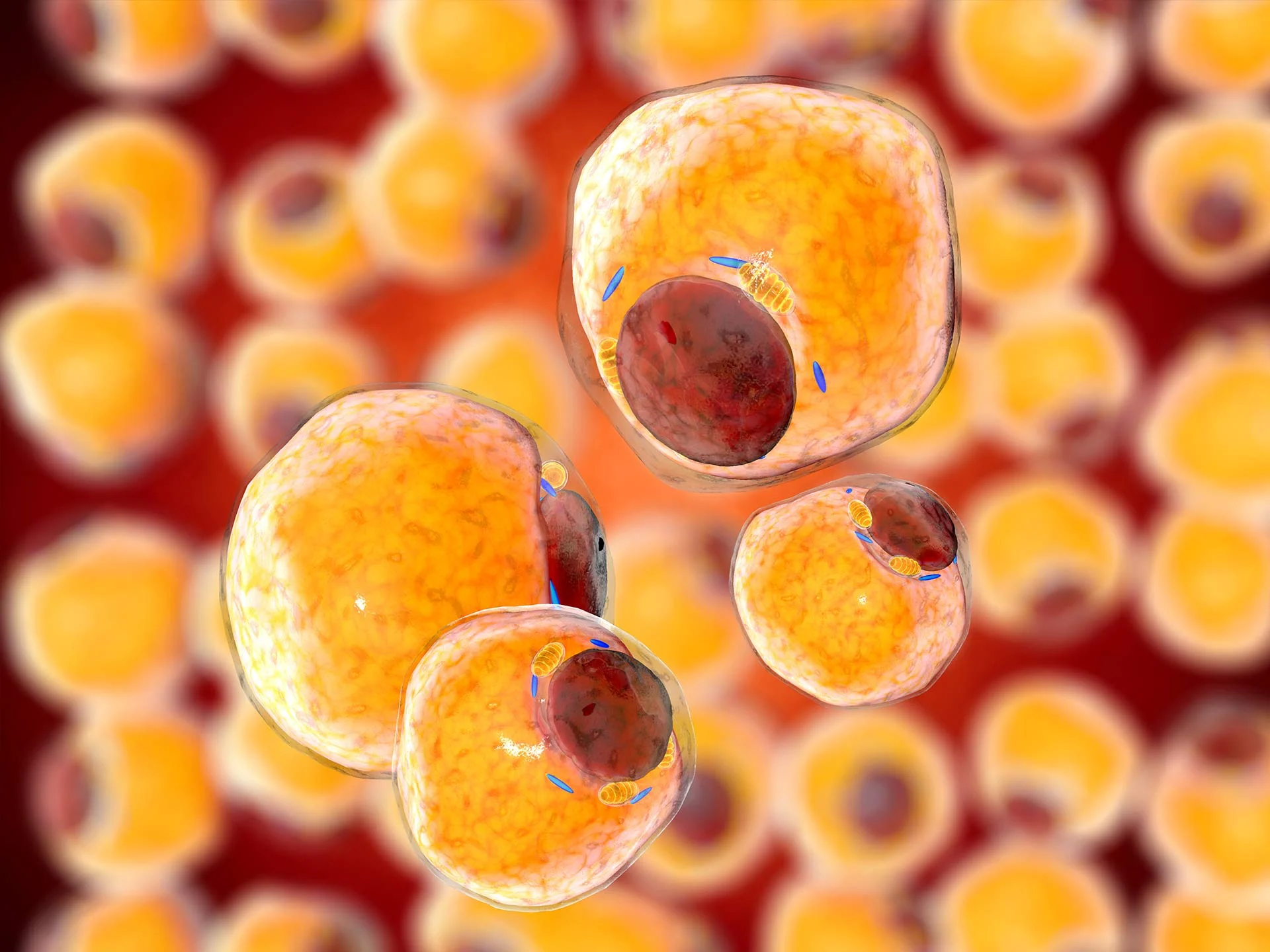
In a development that captured global attention, researchers in Shanghai, China, unveiled compelling results from a study focused on treating diabetes through pancreatic cell transplantation. The case involved a 59-year-old man who had lived with advanced Type 2 diabetes for approximately 25 years, a condition that had progressed to require continuous insulin therapy due to significant impairment of his pancreatic islets – the clusters of cells responsible for producing insulin. Following an experimental procedure involving the transplantation of pancreatic cells, the patient achieved an astonishing 33 months without needing insulin injections.
This remarkable achievement was publicized by the Shanghai Commission of Science and Technology, with the patient's ongoing care and monitoring overseen by the Shanghai Changzheng Hospital. The comprehensive research, which spanned over a decade, culminated in the publication of these findings in the prestigious scientific journal
Cell Discovery. This breakthrough not only offers a beacon of hope but also significantly contributes to the growing body of evidence supporting the potential of cell-based therapies to fundamentally alter the course of diabetes. For a deeper dive into this specific breakthrough, read more about
Shanghai's Diabetes Breakthrough: Pancreatic Cell Transplant Hope.
Interpreting the Results with Caution and Vision
While the Shanghai case is undoubtedly exciting, medical experts emphasize the importance of interpreting these results with appropriate caution. Dr. Maria Elizabeth Rossi, a leading endocrinologist and laboratory chief at the University of São Paulo, highlighted that while 33 months without insulin is a significant period, it is still considered limited for definitively declaring a permanent *cura diabetes*. She suggests that such an outcome could signify a prolonged period of excellent glycemic control, rather than an outright cure, necessitating further studies and extended follow-up periods to confirm long-term efficacy and sustainability.
It's also crucial to remember the distinct nature of diabetes types. Type 1 and Type 2 diabetes originate from different biological mechanisms, demanding tailored treatment approaches. The patient in the Shanghai study had advanced Type 2 diabetes, a condition where the body either doesn't produce enough insulin or doesn't use insulin effectively, leading to islet dysfunction over time. This differs from Type 1 diabetes, an autoimmune condition where the body's immune system mistakenly attacks and destroys insulin-producing beta cells.
Beyond the biological distinctions, significant practical hurdles stand in the way of widespread application of such advanced therapies. Researchers point to the substantial cost of the procedure, the demand for highly specialized medical teams, and the inherent risks associated with any transplant, including the potential for the body to reject the transplanted cells, infections, and other severe complications. The journey from a promising experimental treatment to a widely accessible therapeutic option is long and complex, requiring rigorous safety assessments, scalability solutions, and ethical considerations. For more expert perspectives, consider
Is China's Diabetes Cure Real? Experts Weigh In on Cell Therapy.
The Broader Landscape of Biological Cures for Diabetes
The quest for a *cura diabetes* extends far beyond pancreatic cell transplantation, encompassing a wide array of innovative biological approaches. The ultimate goal is to restore the body's natural ability to produce and regulate insulin, freeing individuals from the daily burden and long-term complications of the disease.
*
Stem Cell Research: A major frontier involves using pluripotent stem cells to create new, healthy insulin-producing beta cells. Scientists are working to coax these versatile cells into becoming functional islets that can be transplanted into patients. This approach holds immense promise for both Type 1 and Type 2 diabetes, offering a potentially unlimited source of donor cells, thus bypassing the ethical and supply challenges of cadaveric donors.
*
Immunotherapy for Type 1 Diabetes: For Type 1 diabetes, the challenge is dual: replacing the destroyed beta cells and halting the autoimmune attack that caused their destruction in the first place. Immunotherapy aims to retrain the immune system to tolerate insulin-producing cells without compromising its overall ability to fight infections. This could prevent the recurrence of the disease in transplanted cells or even reverse early-stage Type 1 diabetes.
*
Gene Therapy: This cutting-edge approach involves introducing new genetic material into cells to either enable them to produce insulin or to protect existing beta cells from damage. Researchers are exploring ways to genetically engineer other cell types in the body to take over insulin production or to modify immune cells to stop the autoimmune attack in Type 1 diabetes.
*
Encapsulation Technologies: To address the issue of immune rejection, scientists are developing encapsulation devices that can protect transplanted cells from the immune system while allowing insulin and glucose to pass through. This would negate the need for lifelong immunosuppressant drugs, which carry their own set of risks and side effects.
These diverse avenues of research collectively define the pursuit of a true biological *cura diabetes* – a solution that moves beyond symptom management to address the root causes of the disease and restore normal physiological function.
Why a Biological *Cura Diabetes* is the Ultimate Goal
For over a century, advancements in diabetes management have significantly improved the lives of millions. However, even with the most sophisticated automated insulin delivery systems and continuous glucose monitors, living with diabetes remains a constant challenge. A biological *cura diabetes* represents the ultimate paradigm shift because it promises:
*
Freedom from Daily Burdens: No more injections, finger pricks, strict dietary calculations, or constant worry about blood sugar fluctuations. This liberation would dramatically enhance the quality of life for patients and their families.
*
Prevention of Complications: Consistent and natural blood sugar regulation could prevent or significantly reduce the risk of debilitating long-term complications such as kidney failure, blindness, nerve damage, heart disease, and amputations.
*
Restored Health and Well-being: A biological cure would restore the body's natural metabolic balance, leading to improved energy levels, better overall health, and a profound sense of normalcy that current treatments cannot fully replicate.
*
Economic and Societal Impact: The global economic burden of diabetes is staggering, encompassing healthcare costs, lost productivity, and disability. A widespread *cura diabetes* would alleviate this immense strain, freeing up resources and contributing to healthier, more productive societies worldwide.
Organizations like the Diabetes Research Institute and Foundation (DRIF) are singularly focused on this goal: "to discover a biological cure" that restores natural insulin production and normalizes blood sugar levels without imposing other risks. Their vision is a world without diabetes, driven by intense focus on advancing the most promising research into innovative clinical studies.
The Road Ahead: Overcoming Obstacles and Fostering Innovation
Despite the exciting progress, the path to a global biological *cura diabetes* is fraught with challenges. The high cost of advanced therapies, the technical complexity of procedures like cell transplantation, and the need for specialized medical infrastructure mean that accessibility remains a significant barrier. Safety concerns, particularly related to immune rejection and potential side effects of immunosuppression, must be thoroughly addressed. Scalability – the ability to produce and deliver these treatments to millions of people worldwide – is another monumental task.
Overcoming these obstacles will require sustained, substantial funding, intense international collaboration among scientists, clinicians, and pharmaceutical companies, and a commitment to rigorous ethical oversight. The journey from laboratory discovery to widespread clinical application is often measured in decades, involving meticulous preclinical research, multiple phases of human clinical trials, and stringent regulatory approvals. Yet, the collaborative spirit and rapid advancements in biotechnology offer immense hope that these hurdles can eventually be overcome.
Living with Diabetes Today: Practical Advice While Awaiting a Cure
While the future promises a potential *cura diabetes*, it's crucial for individuals living with the condition today to focus on effective management. A cure may be on the horizon, but it's not yet widely available. Maintaining optimal health through current best practices can prevent complications and improve quality of life while scientific advancements continue.
*
Adherence to Treatment Plans: Follow your doctor's prescribed medication, insulin regimen, and monitoring schedule diligently. Consistency is key to stable blood sugar control.
*
Healthy Lifestyle Choices: Embrace a balanced diet rich in whole foods, fruits, vegetables, and lean proteins. Incorporate regular physical activity into your routine, as exercise significantly improves insulin sensitivity.
*
Regular Monitoring: Use continuous glucose monitors (CGMs) or blood glucose meters as advised by your healthcare provider to understand how food, exercise, and medication affect your blood sugar.
*
Education and Support: Learn as much as you can about your condition. Join support groups or connect with other individuals living with diabetes. Sharing experiences and strategies can be incredibly empowering.
*
Routine Check-ups: Regular visits to your endocrinologist, ophthalmologist, podiatrist, and other specialists are vital for early detection and management of any potential complications.
*
Mental Well-being: Living with diabetes can be stressful. Seek support for mental health if needed, as stress can impact blood sugar levels and overall well-being.
By proactively managing diabetes, individuals can significantly mitigate risks and maintain a high quality of life, positioning themselves optimally for any future therapeutic breakthroughs.
The global quest for a biological *cura diabetes* is an inspiring testament to human ingenuity and perseverance. Breakthroughs like the Shanghai pancreatic cell transplant offer compelling evidence that the dream of eradicating diabetes is not merely aspirational but increasingly achievable. While caution and continued rigorous research are essential, the collective efforts of scientists worldwide are steadily paving the way for a future where diabetes is not just managed, but truly cured. For millions, this journey represents more than scientific advancement; it signifies the hope for a life liberated from the relentless demands of a chronic illness, a healthier future for generations to come.